
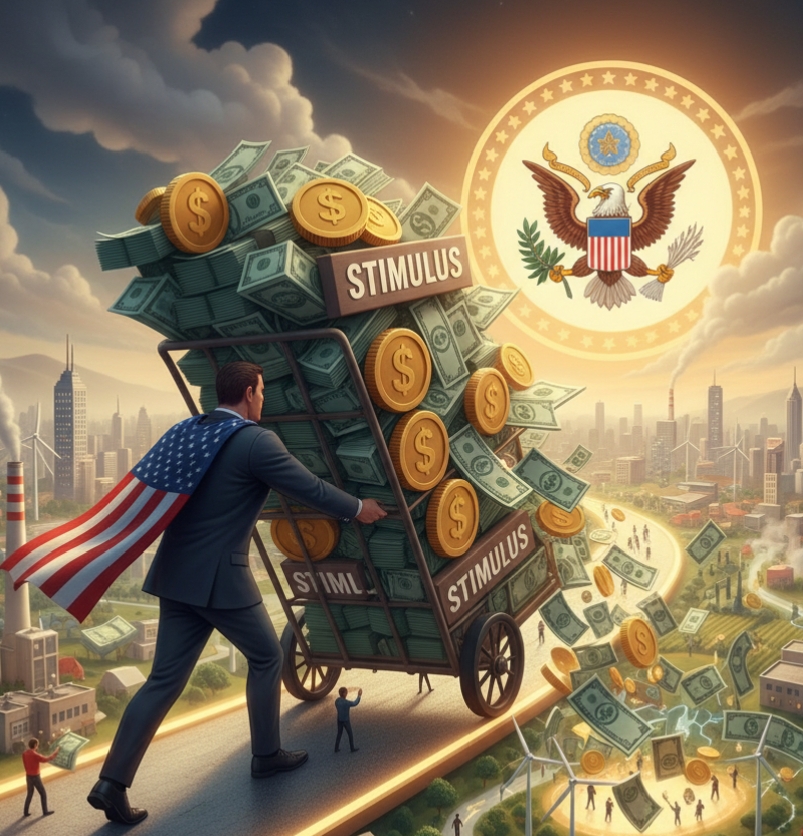
The Evolution of Stimulus Checks: From Pandemic Aid to Ongoing Debates
Stimulus checks first captured national attention during the 2020 COVID-19 crisis, when the federal government issued three rounds of Economic Impact Payments totaling up to $3,200 per eligible adult. These IRS stimulus payments were designed to boost consumer spending and stabilize the economy during lockdowns and job losses. Fast-forward to 2025, and while the pandemic is in the rearview mirror, economic challenges like persistent inflation, rising tariffs, and supply chain disruptions have kept “USA stimulus update” queries trending on search engines.
In an in-depth look, economists argue that those early stimulus checks had mixed results. On one hand, they reduced poverty rates by nearly 3% in 2021, according to Census Bureau data, and spurred a rapid recovery in consumer spending. On the other, critics point to inflationary pressures, with some studies linking the influx of cash to a 2-3% uptick in prices. Today, as the U.S. faces potential recession risks from trade policies, the call for new federal stimulus checks grows louder. Proposals like the American Worker Rebate Act aim to repurpose tariff revenues into direct aid, but partisan gridlock in Congress has stalled progress.
Unclaimed COVID Funds: The Deadline Drama and Lasting Lessons
One of the most pressing “stimulus checks 2025” issues is the unclaimed Recovery Rebate Credit from 2021 taxes. The IRS distributed $2.4 billion in catch-up payments to around 1 million taxpayers in late 2024 and early 2025, covering up to $1,400 per adult plus dependents. However, the April 15, 2025, deadline has come and gone, leaving billions unclaimed and reverted to the Treasury. This cutoff has sparked widespread frustration, with social media users lamenting missed opportunities amid rising living costs.
Expert Insight: Financial advisors emphasize that many eligible individuals—particularly low-income households or those who didn’t file taxes—overlooked this credit. An analysis by the Tax Policy Center estimates that 10-15% of potential claimants never applied, often due to lack of awareness or complex filing processes. For those still wondering about IRS stimulus payments, tools like the “Where’s My Refund?” portal remain essential, though no extensions are available post-deadline.
Scams have proliferated in this vacuum, with fraudsters exploiting “federal stimulus checks” searches through phishing texts and calls. The IRS warns that legitimate communications never request sensitive information unsolicited, underscoring the need for vigilance in this era of digital threats.
Federal Proposals: Hopes for Rebates Amid Economic Uncertainty
Looking ahead, no new nationwide stimulus checks are on the immediate horizon, but ideas abound. President Trump’s “DOGE dividend” proposal from February 2025 promised up to $5,000 per taxpayer from government efficiency savings. Yet, with only $130 billion saved by the Department of Government Efficiency, any distribution would likely yield far less—around $800 per person. This has led to skepticism, with economists like those at the Brookings Institution questioning the feasibility amid ballooning federal deficits.
Another key bill, the American Worker Rebate Act introduced by Sen. Josh Hawley in August 2025, seeks to fund $600+ checks per individual (capped at $2,400 for families) via tariff revenues. Proponents argue this could offset tariff-induced price hikes, but opponents warn of broader economic fallout, including job losses in import-dependent sectors. In-depth analysis reveals a divide: Supporters see it as pro-worker relief, while detractors fear it exacerbates inflation, already hovering at 3-4% in 2025. Rumors of “October stimulus checks 2025” persist online, often tied to misinformation, highlighting the need for fact-checked “USA stimulus update” sources.
State-Level Initiatives: New York’s Inflation Refunds and Beyond
With federal action stalled, states are stepping in with targeted “state relief programs.” New York’s inflation refund checks, rolling out in late September 2025, offer $150-$400 to over 8 million residents with incomes under $150,000 (single) or $300,000 (joint). This $3.28 billion initiative aims to combat cost-of-living increases, drawing praise for its direct approach but criticism for being insufficient against 5-7% annual inflation in urban areas.
California’s ongoing programs provide up to $725 monthly for low-income families through November 2025, while Michigan deals with controversies over reclaiming pandemic-era unemployment benefits linked to stimulus overlaps. An economic deep dive shows these state efforts vary widely: Progressive states like New York and California prioritize broad relief, potentially stimulating local economies by 1-2% in GDP growth, per regional studies. Conservative states, however, focus on tax cuts, arguing direct payments encourage dependency. For eligibility checks, residents should visit state tax portals to avoid missing out on these “inflation refunds.”
Social Media and Cultural Impact: Memes, Myths, and Real Conversations
The cultural footprint of stimulus checks extends to social platforms, where “stimulus checks 2025” trends mix facts with fiction. X (formerly Twitter) buzzes with memes recalling 2020’s $1,200 checks funding luxury splurges, alongside crypto enthusiasts demanding “project stimulus” from volatile investments. Nostalgia threads highlight how past payments transformed lives— from debt relief to small business startups—but also underscore inequities, like gig workers missing out.
Misinformation thrives here, with viral claims of “$1,702 October checks” or “Trump’s new rebates” leading to scam sites. In-depth scrutiny reveals how algorithms amplify sensational content, eroding trust. Experts recommend cross-verifying with official sources to combat this, especially as economic anxiety fuels engagement spikes around state announcements.
Future Outlook: Will Stimulus Checks Return in 2026?
As 2025 winds down, the prospect of new stimulus hinges on economic indicators. If tariffs trigger a downturn, Congress might revisit rebates in the 2026 budget. For now, focus on maximizing existing options: Claim tax credits, explore state aid, and stay informed via IRS.gov. This “stimulus checks 2025” analysis underscores a shifting paradigm—from emergency aid to targeted, sustainable relief amid ongoing fiscal debates.
- Key Action Steps: Use IRS tools for past claims; check state sites for local programs.
- Avoid Scams: Ignore unsolicited contacts about “federal stimulus checks.”
- Stay Updated: Follow reliable news for “USA stimulus update” developments.
p