
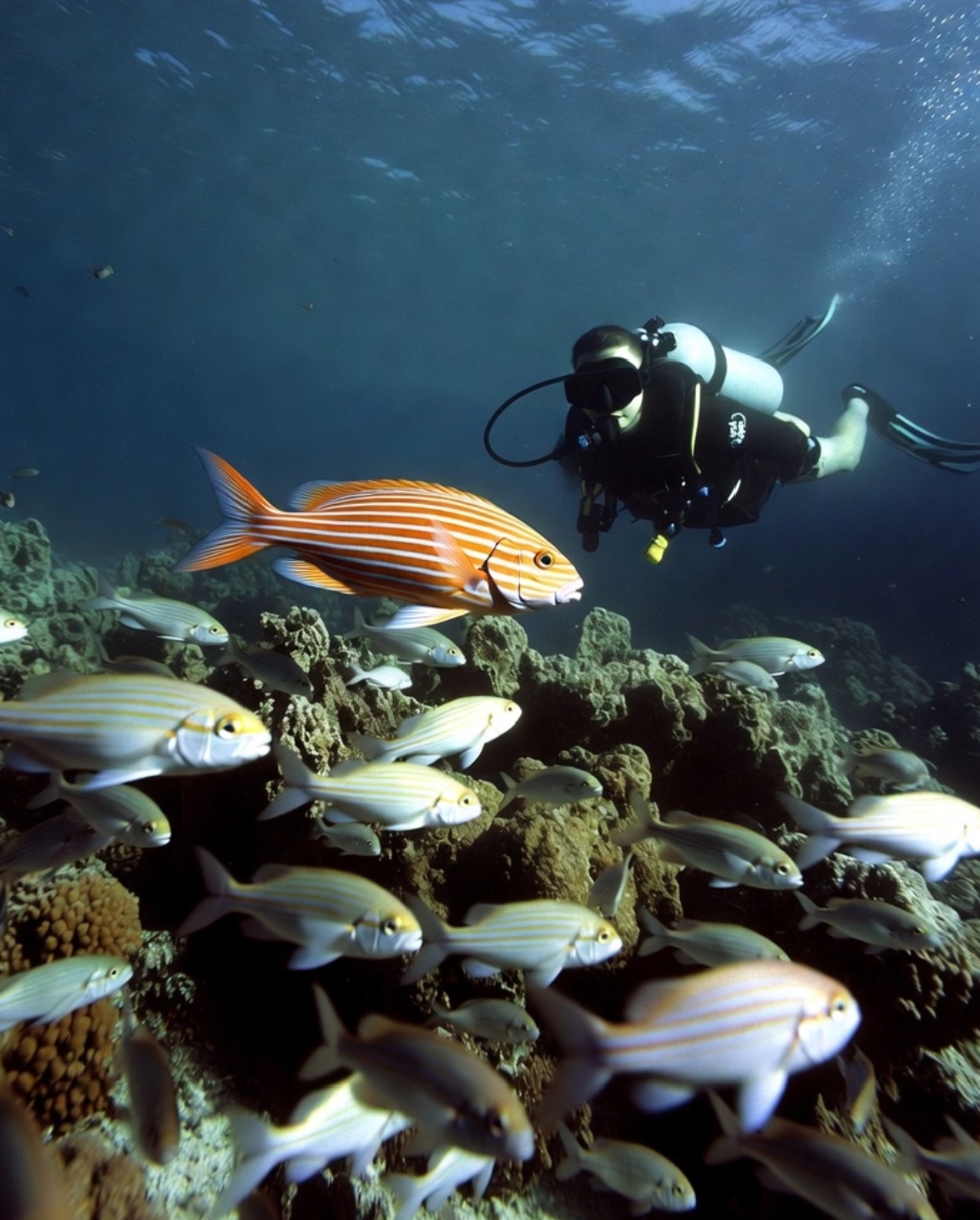
Life Under Water: Exploring the Hidden World Beneath the Oceans
Life under water represents one of the most fascinating and diverse ecosystems on Earth. Covering more than 70 percent of the planet, oceans, seas, rivers, and lakes are home to millions of species, many of which are still undiscovered. From tiny plankton to massive blue whales, underwater life plays a crucial role in maintaining ecological balance and supporting human survival.
Understanding Life Under Water
Life under water includes all living organisms found in marine and freshwater environments. These ecosystems are divided into different zones based on depth, light availability, and temperature. Coral reefs, deep oceans, coastal waters, rivers, and wetlands all support unique forms of life that are interconnected in complex food chains.
Aquatic life is not only important for biodiversity but also for climate regulation, oxygen production, and food security. Oceans absorb large amounts of carbon dioxide and produce more than half of the oxygen we breathe, making underwater ecosystems essential for life on land as well.
Diversity of Marine Life
The underwater world hosts an incredible variety of organisms. Fish, mollusks, crustaceans, corals, marine mammals, and microscopic plankton all contribute to the richness of aquatic ecosystems. Coral reefs alone support nearly 25 percent of all marine species, even though they cover less than one percent of the ocean floor.
Marine mammals such as dolphins, whales, and seals are known for their intelligence and social behavior. Meanwhile, deep-sea creatures like anglerfish and giant squids have adapted to survive in extreme conditions of darkness and pressure.
Freshwater Life and Its Importance
Life under water is not limited to oceans. Freshwater ecosystems like rivers, lakes, and wetlands are equally important. These environments provide drinking water, irrigation, and livelihoods for millions of people worldwide. Fish species such as trout, carp, and catfish are vital sources of protein and income in many regions.
Wetlands act as natural water filters and flood controllers, protecting communities from natural disasters. They also serve as breeding grounds for many aquatic and bird species, making them biodiversity hotspots.
Threats to Life Under Water
Despite its importance, life under water faces serious threats due to human activities. Pollution, overfishing, climate change, and habitat destruction are rapidly degrading aquatic ecosystems. Plastic waste is one of the most visible problems, harming marine animals that ingest or become entangled in it.
Rising ocean temperatures and acidification caused by climate change are damaging coral reefs and altering marine food chains. Overfishing has led to the depletion of many fish stocks, threatening both biodiversity and food security.
Conservation and Sustainable Use
Protecting life under water requires global cooperation and sustainable practices. Marine protected areas help conserve biodiversity by limiting harmful activities. Sustainable fishing ensures that fish populations can recover and continue to support livelihoods.
Reducing plastic use, treating wastewater, and controlling industrial pollution are essential steps toward preserving aquatic ecosystems. Public awareness and education also play a key role in encouraging responsible behavior toward oceans and freshwater resources.
Life Under Water and Sustainable Development
Life under water is recognized globally through the United Nations Sustainable Development Goal 14, which focuses on conserving and sustainably using oceans, seas, and marine resources. This goal highlights the connection between healthy aquatic ecosystems and human well-being.
By protecting underwater life, we ensure food security, economic stability, and environmental resilience for future generations. Healthy oceans and rivers are vital for combating climate change and maintaining the balance of life on Earth.
Conclusion
Life under water is a precious and irreplaceable part of our planet. It supports biodiversity, regulates climate, and sustains human life in countless ways. However, increasing threats demand urgent action to protect these fragile ecosystems.
Through conservation efforts, sustainable practices, and global awareness, we can preserve the beauty and richness of underwater life. Protecting life under water is not just an environmental responsibility—it is a necessity for the survival of our planet and future generations.