
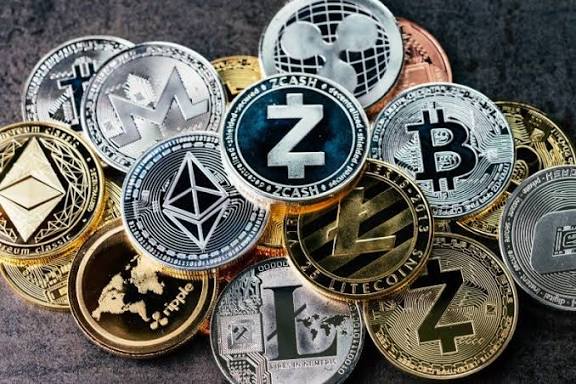
Importance of Digital Currency in Today’s Life
In the modern digital era, the way we handle money has changed dramatically. From cash and cheques to online banking and mobile payments, financial systems have evolved rapidly. One of the most revolutionary changes in this evolution is the rise of digital currency. Digital currencies are reshaping how people earn, store, transfer, and invest money, making them an essential part of today’s global economy.
What is Digital Currency?
Digital currency refers to money that exists only in electronic form. Unlike traditional cash, digital currencies are not physically printed but are stored and transferred digitally through computers and mobile devices. Popular examples include cryptocurrencies like Bitcoin, Ethereum, and government-backed Central Bank Digital Currencies (CBDCs).
Most digital currencies are powered by blockchain technology, which ensures transparency, security, and decentralization. This technology records transactions on a distributed ledger, making fraud and manipulation extremely difficult.
Why Digital Currency is Important Today
1. Fast and Low-Cost Transactions
Traditional banking systems can be slow and expensive, especially for international transfers. Digital currencies allow users to send money across borders within minutes and often at a much lower cost. This is particularly beneficial for businesses, freelancers, and individuals who rely on global payments.
2. Financial Inclusion
Millions of people around the world still do not have access to traditional banking services. Digital currency enables anyone with a smartphone and internet connection to participate in the financial system. This inclusion empowers individuals, supports small businesses, and promotes economic growth in developing regions.
3. Enhanced Security and Transparency
Digital currencies use advanced cryptographic techniques to secure transactions. Blockchain-based systems provide transparency, as every transaction can be verified publicly. This reduces corruption, fraud, and unauthorized activities compared to traditional financial systems.
4. Control and Ownership of Money
With digital currencies, users have direct control over their funds without relying entirely on banks or intermediaries. This gives individuals greater financial independence and reduces the risk of account freezes or unnecessary restrictions.
5. Support for the Digital Economy
The digital economy includes online businesses, e-commerce, remote work, and digital services. Digital currency fits naturally into this ecosystem, enabling seamless online payments, smart contracts, and automated financial operations.
Role of Digital Currency in Everyday Life
Today, digital currencies are being used for:
- Online shopping and e-commerce payments
- International remittances
- Investment and wealth creation
- Decentralized finance (DeFi) platforms
- Gaming, NFTs, and digital assets
Many companies and merchants now accept digital currencies as a payment method, making them increasingly practical for daily use.
Future of Digital Currency
The future of digital currency looks promising. Governments are exploring their own digital currencies, while private cryptocurrencies continue to innovate. As technology improves and regulations become clearer, digital currencies are expected to become more stable, widely accepted, and integrated into everyday financial systems.
Digital currency has the potential to reduce dependency on cash, improve financial efficiency, and create new economic opportunities worldwide.
Challenges and Responsible Use
Despite its advantages, digital currency also comes with challenges such as price volatility, cybersecurity risks, and regulatory uncertainty. Users must educate themselves, use trusted platforms, and follow proper security practices to minimize risks.
Conclusion
Digital currency is no longer just a technological experiment; it is a powerful financial tool shaping the future of money. Its importance in today’s life lies in its ability to provide fast transactions, financial inclusion, security, and global accessibility. As the world becomes more digital, understanding and responsibly using digital currency will be an essential skill for individuals and businesses alike.
Embracing digital currency today means preparing for the financial systems of tomorrow.