
Introduction
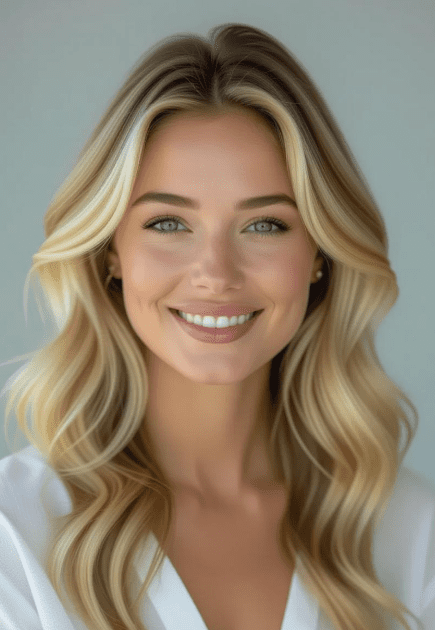
Few physical traits have carried as much symbolic weight as blonde hair. From mythology to modern fashion, “blonde” has come to signify everything from divine beauty to playful frivolity. Across centuries and continents, societies have attached layers of meaning to this naturally rare hair color, shaping how it is perceived in art, literature, and everyday life.
This article explores blonde hair through multiple lenses its biological origins, historical representations, cultural stereotypes, presence in popular culture, and its ongoing significance in fashion and identity.
The Genetics of Blonde
Blonde hair is genetically rare, occurring naturally in only about 2% of the world’s population. It results from a mutation that decreases levels of eumelanin, the pigment responsible for darker shades of hair. The highest concentrations of natural blondes are found in Northern and Eastern Europe, particularly in countries like Sweden, Norway, Finland, and Estonia.
Scientists trace the origin of blonde hair to populations living in Europe around 11,000 years ago. Some researchers speculate that lighter hair evolved partly as an adaptation to low sunlight levels, improving vitamin D synthesis. Others argue that sexual selection played a role: lighter hair may have stood out in darker environments, increasing attractiveness in the eyes of potential mates.
Blonde hair comes in many shades, from platinum to strawberry blonde. It often changes over a person’s lifetime children born with bright golden locks may see their hair darken into ash tones or even brown as they age. This fluidity adds to blonde’s mystique, making it a hair color that can be both ephemeral and striking.
Blonde in Mythology and Ancient History
The symbolic value of blonde hair can be traced back to ancient civilizations.
- Greek and Roman Antiquity: Blonde was associated with gods and heroes. The goddess Aphrodite was often depicted with golden hair, symbolizing beauty and love. Roman poets described blonde-haired maidens as embodying purity and allure. Because natural blondes were rare in the Mediterranean, Roman women frequently bleached their hair with plant extracts or wore wigs made from the hair of captured northern slaves.
- Norse Mythology: In Scandinavian culture, blonde hair was common, yet it still carried symbolic weight. Gods like Sif, Thor’s wife, were described with flowing golden locks, representing fertility and prosperity.
- The Renaissance: Blonde hair resurfaced as a symbol of nobility and divine grace. Italian women in cities like Venice would sit in the sun for hours with mixtures of saffron, lemon, and sulfur on their hair to achieve the prized golden look. Paintings of Madonna figures often portrayed her with soft, golden tresses, linking blonde to virtue and holiness.
Thus, across cultures, blonde hair shifted between being an exotic rarity and a marker of divine beauty.
The Stereotypes of Blonde
Few hair colors are as culturally loaded as blonde. Over centuries, stereotypes both flattering and dismissive emerged.
- The Angelic Blonde: In medieval and Renaissance Europe, blonde hair symbolized innocence and purity. Poets compared golden hair to sunlight, framing it as a marker of divine or noble qualities.
- The “Dumb Blonde” Trope: Beginning in the 18th century, particularly in France, blonde women began to be caricatured as frivolous or unintelligent. This stereotype was popularized in literature and later Hollywood films, where blonde characters were often portrayed as naïve or scatterbrained.
- The Femme Fatale Blonde: Contrasting with innocence, cinema also created the seductive blonde archetype—glamorous, dangerous, and alluring. Stars like Jean Harlow, Brigitte Bardot, and later Sharon Stone in Basic Instinct shaped this image.
These contradictory stereotypes—innocent angel, silly fool, or dangerous seductress—show how blonde hair became less a biological trait and more a cultural canvas onto which societies projected their fantasies and anxieties.
Blonde in Popular Culture
From the 20th century onward, blonde became deeply embedded in global popular culture.
- Hollywood Icons: Marilyn Monroe remains the quintessential blonde bombshell. Her platinum hair became synonymous with glamour and sex appeal. Other stars, from Grace Kelly’s regal elegance to Madonna’s provocative reinventions, showed the versatility of blonde as an image-making tool.
- Music: Pop stars like Britney Spears, Gwen Stefani, and Lady Gaga have all experimented with blonde hair as a way of commanding attention and signaling reinvention.
- Fashion & Media: Blonde has been marketed as aspirational. The Barbie doll, launched in 1959, cemented blonde as the “ideal” in Western beauty standards, though recent decades have diversified representations.
- Literature & Art: Writers frequently use blonde hair as shorthand for character traits, whether innocence in fairy tales like Goldilocks or danger in crime fiction’s femme fatales.
Blonde as a Symbol of Power and Prestige
In many societies, blonde hair has functioned as a marker of privilege. Because light hair was less common in southern Europe, Asia, and Africa, it became associated with northern European beauty ideals exported through colonialism and globalization.
In the 20th century, advertising and film reinforced blonde as a desirable aesthetic. Hair-dye innovations like Clairol’s “Does She or Doesn’t She?” campaign in the 1950s made blonde hair more accessible, linking it to youth, glamour, and modern femininity.
Blonde hair also became a political symbol at times. Nazi propaganda, for instance, glorified blonde hair as part of the so-called “Aryan ideal,” a deeply troubling distortion of cultural and genetic diversity. This darker history demonstrates how blonde could be weaponized in the service of ideology.
Modern Perspectives on Blonde
Today, blonde hair continues to occupy a central place in fashion, beauty, and identity but its meanings have evolved.
- Accessibility through Dye: While only a small percentage of people are natural blondes, millions worldwide dye their hair blonde. This democratization of blonde allows it to be less about genetics and more about personal expression.
- Breaking Stereotypes: Contemporary culture increasingly challenges the “dumb blonde” trope. Actresses, athletes, and leaders with blonde hair now resist reductive labeling, embodying intelligence, power, and depth.
- Global Influence: From K-pop idols in South Korea to Bollywood stars experimenting with blonde highlights, the shade has transcended Western contexts. Blonde is now a global fashion statement, adapted to different skin tones and cultural aesthetics.
- Shifting Ideals: While blonde remains iconic, modern beauty embraces diversity. Brunettes, redheads, and people with natural textures and colors are celebrated alongside blondes, reducing the dominance blonde once held as the “ideal.”
Haircare, Fashion, and the Blonde Aesthetic
Blonde is not just a color—it is a fashion statement requiring care and attention. Lighter shades are prone to dryness and brassiness, making blonde haircare a thriving industry with specialized shampoos, toners, and treatments.
Fashion stylists often link blonde shades with certain aesthetics:
- Platinum blonde: Bold, edgy, and often high-fashion.
- Golden blonde: Radiant, youthful, and warm.
- Ash blonde: Cool-toned, chic, and sophisticated.
- Strawberry blonde: Playful and unique, sitting between red and blonde.
These variations show how blonde can be endlessly reinvented to reflect personality and style.
Conclusion
Blonde hair is far more than a genetic trait it is a cultural phenomenon. From divine symbolism in ancient myths to Hollywood’s golden bombshells, blonde has been a marker of beauty, power, innocence, and seduction. While stereotypes have long shadowed blondes, modern culture increasingly celebrates the diversity and individuality behind the color.
Whether worn naturally or chosen through dye, blonde continues to captivate. It remains a canvas on which societies project ideas of glamour, identity, and transformation. In a world where beauty ideals are becoming more inclusive, blonde retains its allure not as the singular standard of beauty, but as one vibrant shade within a rich spectrum of human expression.