
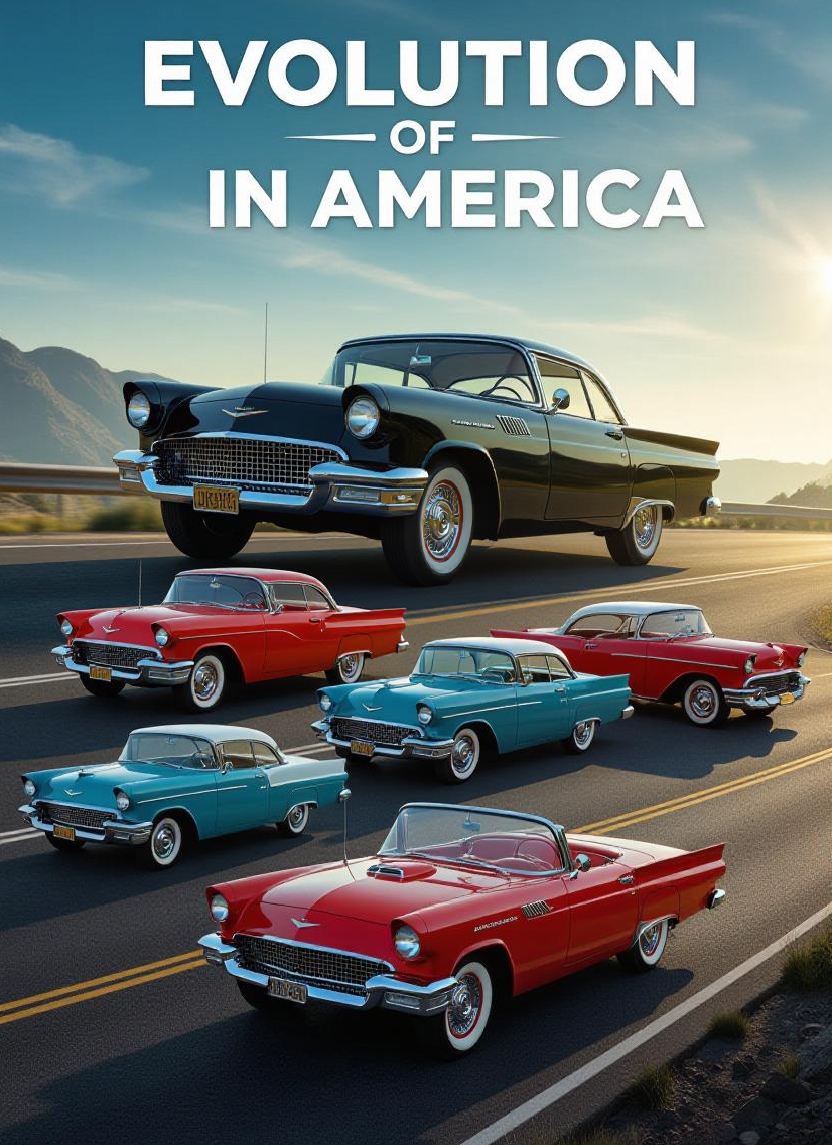
The Evolution of Cars in the United States: A Journey Through Time and Innovation
When I think about cars in the USA, it’s hard not to get a bit nostalgic. Growing up in a small town in the Midwest, my first memories involve riding in my dad’s old Ford pickup, windows down, wind rushing through as we drove along endless highways. Cars aren’t just machines here; they’re part of our identity, symbols of freedom and adventure. In this article, we’ll dive deep into the history of American automobiles, exploring how they’ve shaped our society, economy, and even our dreams. From the rumbling engines of the early twentieth century to the silent hum of today’s electric vehicles in America, it’s a story full of twists, triumphs, and a few bumps along the road.
The Birth of the Automobile Era in the US
The story of cars in the USA kicks off in the late 1800s, but it really picks up speed with Henry Ford. Back in 1908, Ford introduced the Model T, often called the Tin Lizzie. This wasn’t just a car; it was a revolution. Priced at around eight hundred and fifty dollars initially, it made owning a vehicle possible for the average Joe. Ford’s assembly line method slashed production time and costs, turning out cars like hotcakes. By 1927, over fifteen million Model Ts had rolled off the lines, transforming the US car history forever.
Imagine the excitement back then. Farms connected to cities, people traveled farther than ever before. But it wasn’t all smooth sailing. Early roads were dirt paths, more suited for horses than horseless carriages. The Federal Aid Road Act of 1916 started changing that, paving the way literally for better infrastructure. As I reflect on this, it’s amazing how one invention sparked a whole industry. The automotive industry in the USA boomed, creating jobs in Detroit, which became the Motor City. Companies like General Motors and Chrysler joined Ford, competing fiercely and innovating constantly.
During the Roaring Twenties, cars became status symbols. Flappers and jazz enthusiasts cruised in sleek roadsters, while families piled into sedans for Sunday drives. Yet, the Great Depression hit hard. Sales plummeted, but the industry adapted, focusing on affordability. My grandfather used to tell stories about his first car, a beat up Chevy from the thirties, bought for a song during those tough times. It wasn’t fancy, but it got him to work and back, a lifeline in uncertain days.
World War II and the Post War Boom
World War II shifted gears dramatically for American automobiles. Factories that once built cars now produced tanks, jeeps, and planes. This pause in civilian production built up demand, and when the war ended, the floodgates opened. The post war era saw a surge in car ownership, fueled by economic prosperity and the baby boom. Suburbs sprouted up, and cars were essential for commuting.

Iconic models like the Chevrolet Bel Air and Ford Thunderbird captured the spirit of the fifties. With tailfins and chrome galore, these classic cars in the USA screamed optimism. Drive in theaters and diners became cultural hubs, where teens gathered in their hot rods. But let’s not gloss over the challenges. Safety wasn’t a big concern yet seat belts were optional, and accidents were common. It took visionaries like Ralph Nader, with his book Unsafe at Any Speed in 1965, to push for reforms. Analyzing this period, it’s clear how cars mirrored societal changes: from wartime sacrifice to peacetime indulgence.
The interstate highway system, championed by President Eisenhower in 1956, was a game changer. Inspired by Germany’s autobahns, it connected the nation like never before. Road trips became a rite of passage. Who hasn’t dreamed of Route 66? Stretching from Chicago to Santa Monica, it symbolized the open road. However, this expansion had downsides, like urban sprawl and environmental concerns. As we look back, the balance between progress and preservation starts to emerge as a recurring theme in US car history.
The Oil Crisis and Shifting Priorities
The seventies brought a wake up call with the oil embargo of 1973. Gas lines stretched for blocks, and big, gas guzzling muscle cars suddenly seemed impractical. American manufacturers, used to building land yachts, struggled against efficient imports from Japan like Toyota and Honda. This era marked a turning point in the automotive industry in the USA, forcing innovation in fuel efficiency.
Remember the Ford Pinto or Chevy Vega? They were attempts at compact cars, but quality issues plagued them. It was a humbling time. Personally, I recall my family’s switch to a smaller Datsun now Nissan because it sipped fuel. Analyzing the impact, the crisis spurred the Corporate Average Fuel Economy standards in 1975, pushing for better mileage. It also highlighted America’s dependence on foreign oil, influencing politics and economics for decades.
By the eighties and nineties, recovery was underway. Minivans and SUVs gained popularity, offering space for growing families. The Chrysler minivan, introduced in 1984, revolutionized family transport. Yet, as SUVs boomed, so did concerns about rollover risks and emissions. The Clean Air Act amendments tightened regulations, leading to catalytic converters and unleaded gas. This period shows how external pressures economic, environmental, regulatory shape the evolution of cars in the USA.
The Rise of Technology and Electric Vehicles
Fast forward to the twenty first century, and technology takes the wheel. GPS navigation, Bluetooth, and infotainment systems turned cars into rolling computers. Safety features like airbags, ABS brakes, and electronic stability control became standard, drastically reducing fatalities.
The real buzz, though, is around electric vehicles in America. Tesla, founded by Elon Musk in 2003, disrupted the market with models like the Roadster and Model S. No more gas stations just plug in at home. Government incentives, like tax credits, boosted adoption. But challenges remain: range anxiety, charging infrastructure, and battery production. In my view, the shift to EVs isn’t just about going green; it’s about redefining mobility. Autonomous driving, pioneered by companies like Waymo, promises a future where cars drive themselves.
Analyzing current trends, the US lags behind Europe and China in EV adoption, but momentum is building. Ford’s electric Mustang Mach E and GM’s Ultium platform signal commitment from legacy makers. The Inflation Reduction Act of 2022 pours billions into clean energy, including EVs. Yet, supply chain issues and raw material shortages pose hurdles. Culturally, cars still represent independence, but younger generations prioritize sustainability and ride sharing apps like Uber.
Challenges and the Road Ahead
Looking ahead, the future of cars in the United States is electric, connected, and shared. Climate change demands lower emissions, and innovations like hydrogen fuel cells offer alternatives. However, inequality persists rural areas lack charging stations, and EVs remain pricey for many.
Socially, cars influence everything from urban planning to pop culture. Think of movies like The Fast and the Furious franchise, glorifying speed and customization. Or the push for diversity in the industry, with more women and minorities in design roles. As someone who’s driven across the country multiple times, I appreciate how cars foster connections, but I also worry about traffic congestion and pollution in cities like Los Angeles.
In wrapping up this exploration, the evolution of American automobiles reflects our nation’s spirit: innovative, resilient, and ever changing. From Henry Ford’s assembly line to Tesla’s gigafactories, we’ve come a long way. Yet, the journey continues. Whether you’re a gearhead restoring classic cars in the USA or eyeing the latest hybrid, cars remain woven into the fabric of American life. What’s next? Maybe flying cars or hyperloops. One thing’s for sure: the road ahead is full of possibilities.