
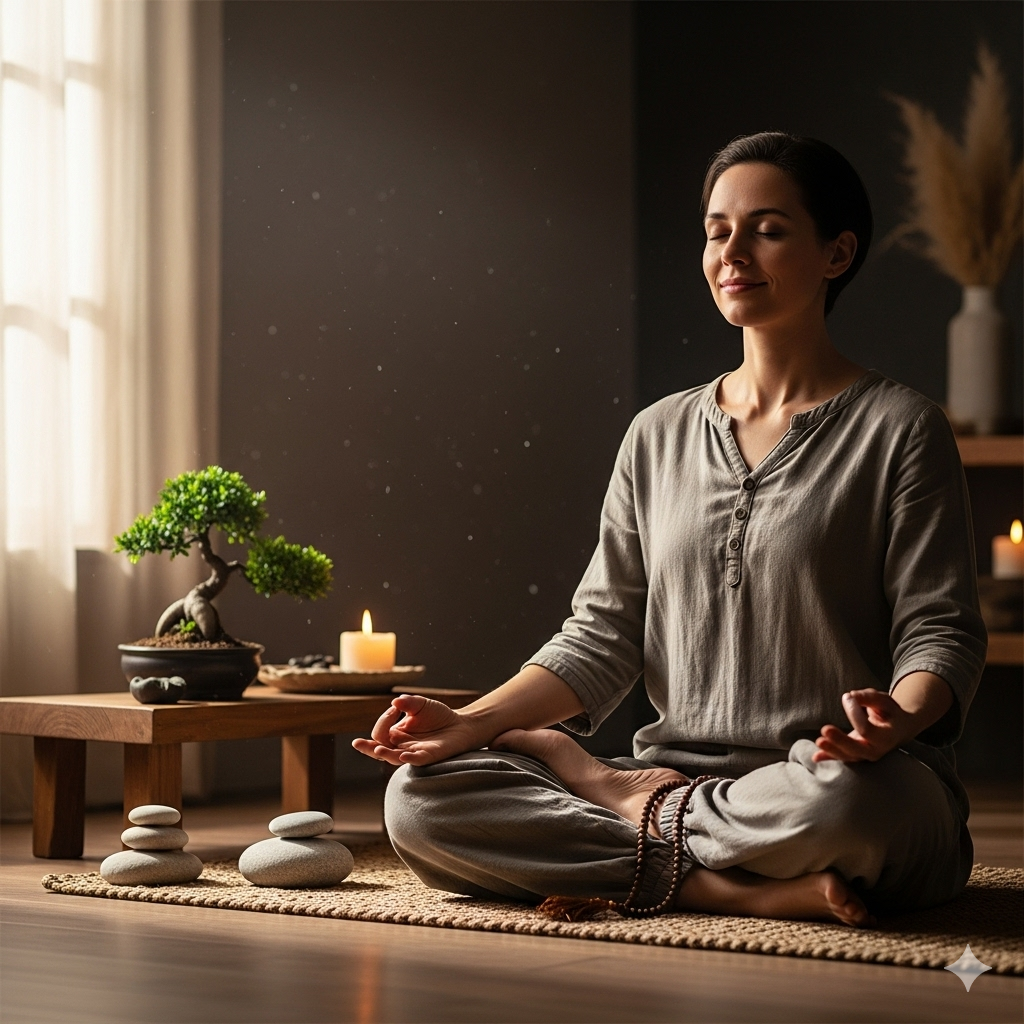
The Rise of Mindful Living in 2025: Why Slowing Down Matters More Than Ever
The Rise of Mindful Living in 2025: Why Slowing Down Matters More Than Ever
Published: September 18, 2025
In today’s fast-paced world, where every second feels filled with notifications, deadlines, and endless scrolling, more and more people are turning to mindful living as a way to reclaim balance. Once seen as a niche wellness practice, mindfulness has now become a mainstream lifestyle movement in 2025, embraced by students, professionals, and families alike. But why is slowing down suddenly such a powerful idea and how can you start?
What Is Mindful Living?
Mindful living means paying deliberate attention to the present moment instead of running on autopilot. It’s about slowing down, noticing your thoughts and environment, and choosing intentional actions. Unlike quick self-care hacks or temporary detoxes, mindful living encourages a sustainable shift in perspective. You don’t need to sit cross-legged on a mountaintop to practice it; you can start right in your living room, your office, or even while washing dishes.
Why 2025 Is the Year of Mindfulness
The pandemic years taught us that health and mental well-being cannot be taken for granted. As the world returned to “normal,” people realized that constant busyness wasn’t making them happier. In fact, it was draining energy and eroding mental health. In 2025, surveys show a growing trend: people value slower, more intentional lifestyles over chasing endless productivity. From companies adopting four-day workweeks to schools teaching meditation, mindfulness is no longer optional it’s essential.
Practical Benefits Everyone Can Feel
The appeal of mindful living lies in its universal benefits. Whether you’re a teenager glued to social media, a parent juggling responsibilities, or a professional navigating hybrid work, mindfulness offers tools to reduce stress and enhance quality of life.
- Improved focus: By training the brain to stay in the moment, distractions lose their power.
- Better sleep: Evening mindfulness practices lower stress hormones and improve rest.
- Healthier relationships: Being fully present deepens communication and empathy.
- Stronger emotional resilience: Mindfulness helps you respond calmly instead of reacting impulsively
Simple Ways to Practice Mindful Living
Many people think mindfulness requires hours of meditation, but the truth is that small, consistent practices make the biggest difference. Here are a few easy ways to begin:
- Start your day without screens. Instead of grabbing your phone, take two minutes to breathe, stretch, or set an intention.
- Eat with awareness. Notice the flavors, textures, and colors of your food. Avoid multitasking during meals.
- Practice “single-tasking.” Do one thing at a time, whether it’s answering emails or folding laundry.
- Take mindful breaks. Step outside, notice the sky, or listen to sounds around you for just 60 seconds.
- End your day with gratitude. Write down three things you appreciated about today, no matter how small.
Mindful Living in Everyday Life
What makes mindfulness so powerful is that it adapts to every lifestyle. A college student might use it to reduce exam stress. A busy parent might find calm while reading a bedtime story. An executive might practice it during high-stakes meetings. There’s no “one-size-fits-all” mindful living grows with your personal needs.
Technology Meets Mindfulness
Interestingly, the very devices that often distract us are now offering tools for mindfulness. From breathing apps and guided meditations to wearable devices that track stress levels, technology is being repurposed to help people slow down. The key is using these tools intentionally instead of letting them control you. A five-minute app-guided meditation is helpful, but only if you log off afterward instead of falling into endless scrolling.
The Global Impact of the Movement
Mindful living isn’t just a personal trend it’s shaping workplaces, education, and even policy. Companies are investing in mindfulness training to prevent burnout. Schools are incorporating breathing exercises into classrooms to help children focus. Governments are funding mental health initiatives that promote mindfulness as a preventive strategy. What began as an individual wellness practice has grown into a cultural shift that could redefine how
societies function.
How to Begin Your Journey Today
You don’t need a major lifestyle overhaul to start living mindfully. Begin with one small step perhaps a two-minute breathing exercise before a meeting or a phone-free dinner with family. The key is consistency, not perfection. Over time, these moments of awareness build into a way of life that brings clarity, peace, and resilience.
The bottom line: In 2025, mindful living isn’t just a wellness buzzword it’s a survival skill in a noisy, distracted world. By slowing down and paying attention, you not only reclaim your time but also rediscover the joy of simply being alive.