
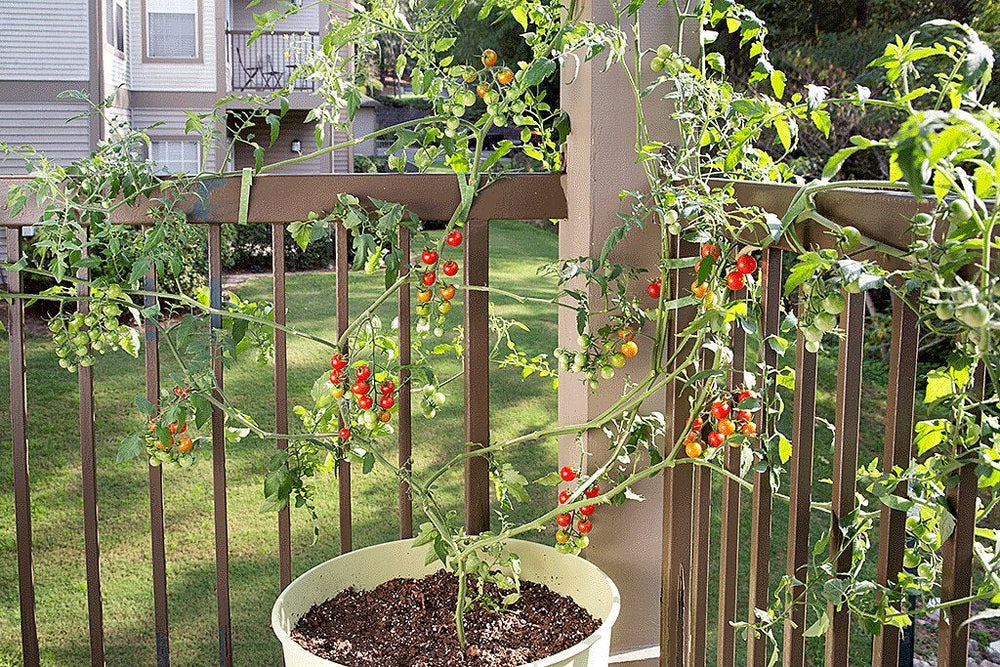
The Rise of Urban Gardening — Growing Green in Small Spaces
How city residents are transforming balconies, rooftops and window sills into productive, calming gardens.
As cities expand and apartment living becomes the norm for millions, a parallel movement is quietly reshaping urban life: urban gardening. Far from being a niche hobby, growing plants in limited spaces—balconies, fire escapes, rooftops and windowsills—now plays an important role in improving mental health, increasing food security, and reconnecting people with natural cycles in the heart of dense neighborhoods.
Why urban gardening matters
Urban gardens are more than decorative greenery. They create pockets of biodiversity, reduce stress, and can lower the ambient temperature around buildings. For many individuals and families, even a handful of pots with herbs and vegetables reduces grocery bills and offers fresher, tastier produce. On a community scale, shared gardens and rooftop plots stretch beyond individual benefit—neighbors connect across fences, local birds and pollinators return, and otherwise underused spaces become productive and beautiful.
Benefits at a glance
- Health & wellbeing: Gardening reduces anxiety, improves mood and encourages gentle physical activity.
- Food resilience: Homegrown herbs, greens and small vegetables provide nutritional variety and independence.
- Environmental impact: Plants sequester CO₂, support urban biodiversity, and can reduce heat island effects.
- Community cohesion: Community gardens build social ties and provide shared learning opportunities.
Getting started — small steps, big rewards
Beginning an urban garden doesn’t require a backyard. Start by assessing sunlight: plants have clear preferences—most vegetables and many flowering plants need 5–8 hours of direct sun. If you have less, choose shade-tolerant herbs and leafy greens. Invest in good container soil (not garden dirt), pick containers with drainage, and consider lightweight planters if you have balconies.
Smart container and soil choices
Containers come in many materials—plastic, ceramic, fabric grow bags, and cedar boxes. Fabric pots are light and breathable; cedar is attractive and rot-resistant. The priority is drainage: ensure pots have holes and use a well-draining potting mix. Add a layer of coarse material or broken pottery at the bottom only if you struggle with overly sandy mixes; otherwise focus on quality potting soil and slow-release organic fertilizer for consistent growth.
| Sunlight | Best crops | Notes |
|---|---|---|
| Full sun (6–8 hrs) | Tomatoes, peppers, basil | Require regular watering and big containers |
| Partial sun (3–5 hrs) | Lettuce, spinach, cilantro | Harvest leaf-by-leaf; avoid heat-stress |
| Shade (0–3 hrs) | Mint, parsley, snake plant | Use for ornamentals and shade-loving herbs |
Watering, pests and seasonal care
Consistency wins: small containers dry out quickly, so check daily in warm weather. Mulch with straw or shredded bark to retain moisture. For pests, encourage beneficial insects—ladybugs and lacewings—by planting companion flowers like marigolds and alyssum. Hand-pick larger pests, wash leaves to remove aphids, and use mild soap sprays or neem oil as organic controls.
Creative solutions for tiny spaces
Vertical gardening uses walls and railings to increase growing area—hanging pockets, trellises and stacked planters unlock vertical real estate. Windowsill herb gardens are perfect for renters. Balcony rail planters and railing boxes make safe use of limited space. Even small systems like microgreen trays or a compact hydroponic unit can yield continuous, nutrient-rich greens year-round.
Beyond the apartment: community impact
Neighborhood garden projects transform vacant lots and rooftops into community hubs. They improve local food access, offer educational programs, and give residents a shared sense of ownership. Municipalities increasingly support such projects through grants, zoning allowances and rooftop garden incentives—recognizing the social and environmental value they bring.
Final thoughts
Urban gardening proves that meaningful change doesn’t need acres of land—it needs curiosity, a few pots, and a willingness to experiment. Whether growing a windowsill basil for your kitchen or working on a rooftop plot with neighbors, the act of growing reconnects city dwellers with food, with seasons, and with each other. Green spaces, however small, can transform the concrete rhythm of cities into something livelier, healthier, and more resilient.