
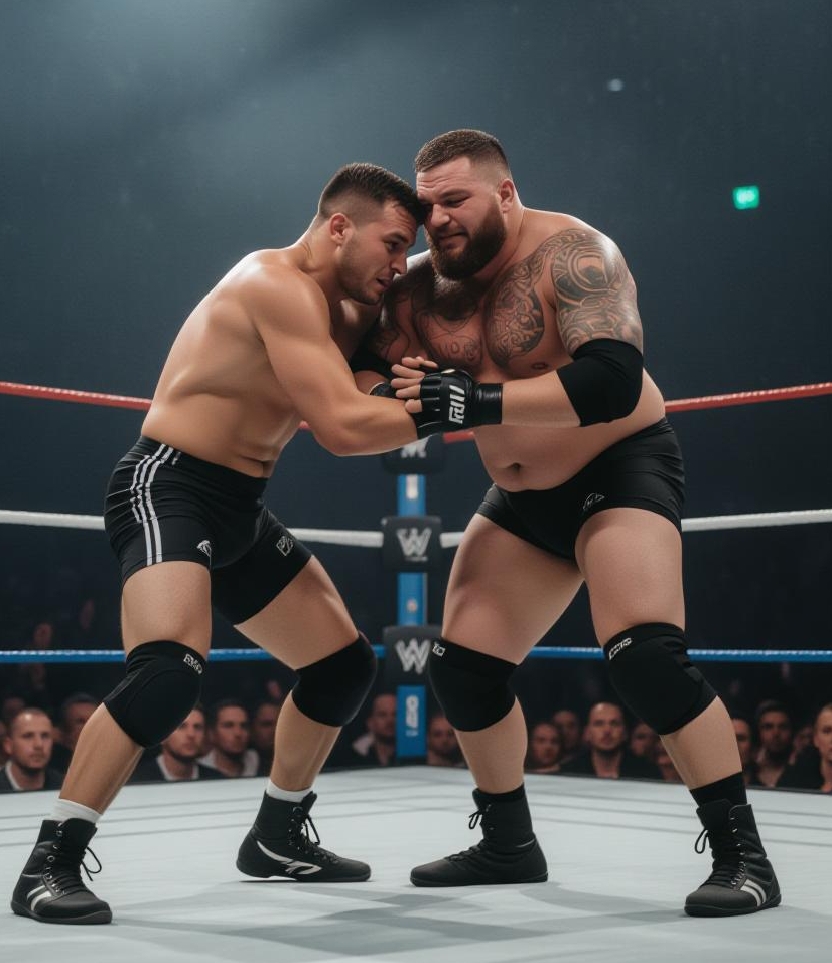
Wrestling in America: History, Stars, and Cultural Impact
By InfinityXVerse Team | Published on September 30, 2025
The Evolution of Wrestling in America
Wrestling in America has a storied history, evolving from gritty carnival attractions to a global entertainment juggernaut. Known as professional wrestling, it blends athleticism, drama, and spectacle, captivating millions. This article traces its journey, highlights iconic wrestlers, and explores its cultural significance.
History of Wrestling in America
Early Beginnings: Carnivals and Catch Wrestling
In the late 19th century, wrestling thrived in traveling carnivals. “Catch-as-catch-can” wrestling, rooted in physical skill, drew crowds eager for authentic contests. Promoters like Frank Gotch became early stars, legitimizing the sport.
The Rise of Professional Wrestling
By the 1920s, wrestling shifted toward scripted outcomes to enhance entertainment. The formation of regional promotions, like the National Wrestling Alliance (NWA), laid the groundwork for modern wrestling. The 1980s marked a turning point with WWE (then WWF), under Vince McMahon, transforming wrestling into a pop culture phenomenon.
Modern Era: WWE and AEW
Today, WWE and All Elite Wrestling (AEW) dominate. WWE’s global reach, with events like WrestleMania, and AEW’s fresh approach have kept wrestling vibrant. According to Forbes, wrestling’s viewership surged 15% from 2020 to 2023.
Famous Wrestlers in America
American wrestling has produced larger-than-life figures who shaped the industry. Here are some icons:
- Hulk Hogan: The face of 1980s wrestling, known for “Hulkamania” and headlining WrestleMania.
- The Rock (Dwayne Johnson): A WWE legend turned Hollywood star, blending charisma and athleticism.
- John Cena: With 16 world championships, Cena’s “Never Give Up” mantra inspired millions.
- Stone Cold Steve Austin: His rebellious persona defined the Attitude Era (1997-2002).
Explore more about these stars in our section.
Cultural Impact of Wrestling in America
Wrestling’s storytelling tackles social issues, from patriotism to rebellion, resonating with diverse audiences. Its scripted nature allows creative narratives, making it a unique blend of sport and theater.
Why Wrestling Endures in America
Wrestling’s appeal lies in its accessibility and emotional storytelling. Fans relate to underdog stories, like Daniel Bryan’s rise, or villainous arcs, like Triple H’s reign. With streaming platforms like Peacock and AEW’s Dynamite on TBS, wrestling reaches millions weekly.
Frequently Asked Questions
When did professional wrestling start in America?
Professional wrestling began in the late 1800s in carnivals, evolving into scripted entertainment by the 1920s.
Who is the most famous American wrestler?
Hulk Hogan is often considered the most iconic due to his role in popularizing wrestling in the 1980s.
What’s the difference between WWE and AEW?
WWE focuses on global entertainment with polished production, while AEW emphasizes athleticism and fan-driven storytelling.