
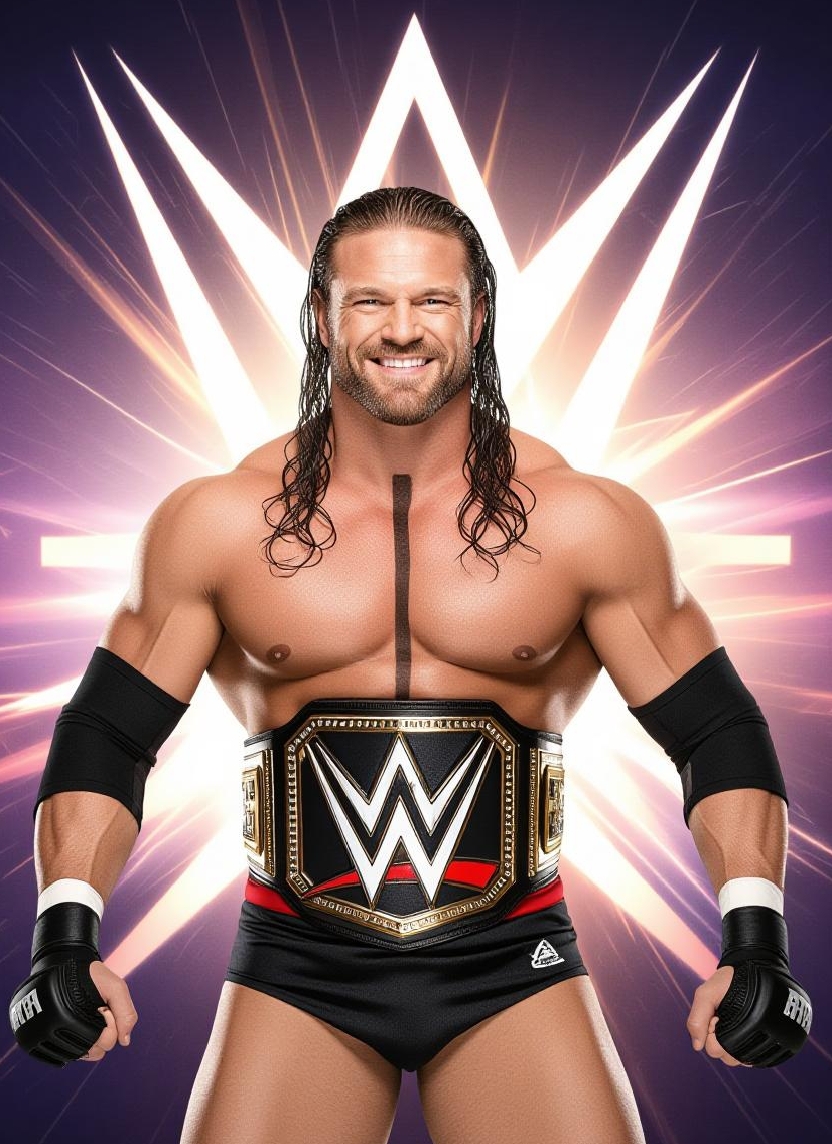
WWE Entertainment: Thrilling the American Audience for Decades
Published: September 29, 2025
Introduction to WWE Entertainment
WWE entertainment stands as a cornerstone of American pop culture, blending athletic prowess with dramatic storytelling to create an unparalleled spectacle. For generations of American wrestling fans, WWE wrestling has been more than just sports entertainment; it is a cultural phenomenon that unites families, ignites passions, and delivers adrenalinefueled moments that echo through living rooms and arenas nationwide. Founded on the principles of highstakes drama and largerthanlife characters, WWE events draw millions of viewers each year, making it a staple in the hearts of professional wrestling enthusiasts across the United States.
What makes WWE entertainment so irresistible to the American audience? It is the perfect fusion of scripted narratives, physical feats, and emotional investment. From the roar of the crowd at WrestleMania to the intimate rivalries unfolding on Monday Night Raw, WWE superstars embody the American dream of rising from underdog to champion. As we delve into this world, we will explore the history, iconic figures, major events, and lasting impact of WWE wrestling on American society.

The Evolution of WWE Wrestling
The roots of WWE entertainment trace back to 1953 when Roderick McMahon and his partner Toots Mondt launched the Capitol Wrestling Corporation, a regional promotion under the National Wrestling Alliance. It was not until 1963, under the leadership of Vince McMahon Sr., that it evolved into the World Wide Wrestling Federation, focusing on Northeast territories. The true transformation came in 1980 when Vince McMahon Jr. purchased the company and rebranded it as the World Wrestling Federation, expanding it into a national powerhouse.
By 1982, McMahon broke away from the NWA, signing stars like Hulk Hogan and launching a cable TV revolution. This era, known as the Golden Age of WWE wrestling, introduced colorful characters, rock ‘n’ roll entrances, and payperview spectacles that captivated American audiences hungry for escapism. The 1990s Attitude Era pushed boundaries with edgier content, featuring rebels like Stone Cold Steve Austin and The Rock, whose profane promos and hardcore matches resonated with a maturing fanbase.

In 2002, due to a trademark dispute, the company became World Wrestling Entertainment, or WWE, solidifying its identity as a global entertainment brand. Today, under Triple H’s creative direction, WWE entertainment continues to innovate, incorporating social media storylines and international talent while staying true to its American core. For American wrestling fans, this evolution mirrors the nation’s own story of reinvention and resilience.
Iconic WWE Superstars Who Defined American Wrestling
No discussion of WWE entertainment would be complete without highlighting the WWE superstars who have become household names. Hulk Hogan, the redandyellow icon of the 1980s, personified the Hulkamania movement, rallying American audiences with his “train, say prayers, and eat your vitamins” mantra. His matches against Andre the Giant at WrestleMania III drew over 93,000 fans to the Pontiac Silverdome, a record that underscored the massive appeal of professional wrestling in the heartland.
Fast forward to the Attitude Era, where Stone Cold Steve Austin’s beerbashing defiance against authority figures like Vince McMahon captured the antiestablishment spirit of 1990s America. Austin’s “What?” chants became a cultural shorthand, influencing everything from sitcoms to political discourse. Dwayne “The Rock” Johnson, with his electrifying charisma, transitioned seamlessly from WWE wrestling to Hollywood stardom, proving the entertainment value of WWE superstars extends far beyond the ring.

In the modern era, Roman Reigns reigns supreme as the Tribal Chief, leading The Bloodline faction in epic family dramas that echo Shakespearean tragedies. Alongside him, Cody Rhodes, the American Nightmare, embodies redemption arcs that resonate deeply with fans dreaming of second chances. Women like Becky Lynch and Rhea Ripley have shattered glass ceilings, turning WWE entertainment into a platform for gender equality in sports. These WWE superstars not only entertain but inspire American audiences to chase their own legacies.

Unforgettable WWE Events That Captivate American Fans
WWE events are the lifeblood of WWE entertainment, transforming ordinary arenas into battlegrounds of destiny. WrestleMania, dubbed “The Showcase of the Immortals,” is the pinnacle. Held annually since 1985, it has hosted legendary clashes like The Rock versus Stone Cold at WrestleMania X-Seven, a match so intense it is often called the greatest ever. For American wrestling fans, WrestleMania weekend in cities like New Orleans or Los Angeles becomes a pilgrimage, complete with fan fests, celebrity appearances, and pyrotechnic finales.
The Royal Rumble, with its 30superstar overthetoprope melee, builds suspense like no other WWE event. Entrants at intervals create nailbiting drama, culminating in the winner earning a WrestleMania main event shot. SummerSlam, the “Biggest Party of the Summer,” heats up August with beachinspired themes and grudge matches, while Survivor Series pits brand against brand in elimination tag team warfare, fostering loyalty among Raw and SmackDown devotees.
These WWE events are meticulously crafted to maximize engagement, with live crowds chanting “This is awesome!” and millions streaming at home. In an era of cordcutting, WWE wrestling’s pivot to Peacock and WWE Network ensures accessibility, keeping American audiences hooked yearround.
The Cultural Impact of WWE Entertainment on America
WWE entertainment has woven itself into the fabric of American life, influencing fashion, language, and social norms. Phrases like “Can you smell what The Rock is cooking?” have entered everyday lexicon, while catchphrases from WWE superstars pepper comedy sketches on Saturday Night Live. The company’s philanthropy through Susan G. Komen partnerships and MakeAWish grants has humanized its largerthanlife image, showing WWE wrestling’s softer side.
Critics often debate the scripted nature of professional wrestling, but for American fans, the emotional truth trumps athletic purism. WWE events have sparked conversations on mental health, as stars like Daniel Bryan open up about concussions and burnout. Diversity initiatives, from Naomi’s championship reigns to international recruits like Gunther, reflect America’s melting pot ethos.
Economically, WWE entertainment pumps billions into host cities via tourism and merchandise. Hot rods, foam fingers, and championship belts adorn bedrooms from coast to coast, fostering a subculture of cosplay and fantasy booking. As streaming wars rage, WWE’s loyal American audience base positions it as a resilient force in media.
The Future of WWE Wrestling for American Audiences
Looking ahead, WWE entertainment is poised for explosive growth. With the 2025 merger rumors involving UFC under TKO Group Holdings, synergies could amplify crossovers, blending MMA grit with WWE drama. Emerging talents like Bron Breakker and Roxanne Perez signal a new generation ready to carry the torch, while virtual reality experiences promise immersive WWE events from home.
For American wrestling fans, the core remains unchanged: underdog triumphs, betrayals, and redemptions that mirror life’s unpredictability. As WWE superstars continue to evolve, so too will the narratives that keep audiences on the edge of their seats. Whether tuning into NXT for rising stars or reliving classics on WWE Network, the passion endures.
Conclusion: Why WWE Entertainment Endures
In a world of fleeting trends, WWE entertainment stands eternal, a beacon for American audiences seeking heroism and catharsis. From its humble beginnings to global dominance, WWE wrestling has entertained, united, and inspired millions. As we cheer for our favorite WWE superstars and anticipate the next WWE event, one truth rings clear: in the squared circle, anything is possible. Join the frenzy, raise your signs, and let the WWE entertainment revolution continue.
Word count: 1024